What a Lead Time Number Leaves Out
"45 days" is the most useful number in a quote and the least complete one. It tells you when production ends. It does not tell you when your goods are in a warehouse, and it does not tell you what happens if a step fails.
This is the accounting of what sits inside that number and what sits outside it, so you can read a lead time the way an accountant reads a receipt.
Inside the number
- Wax modelling, 3D printing or tool preparation.
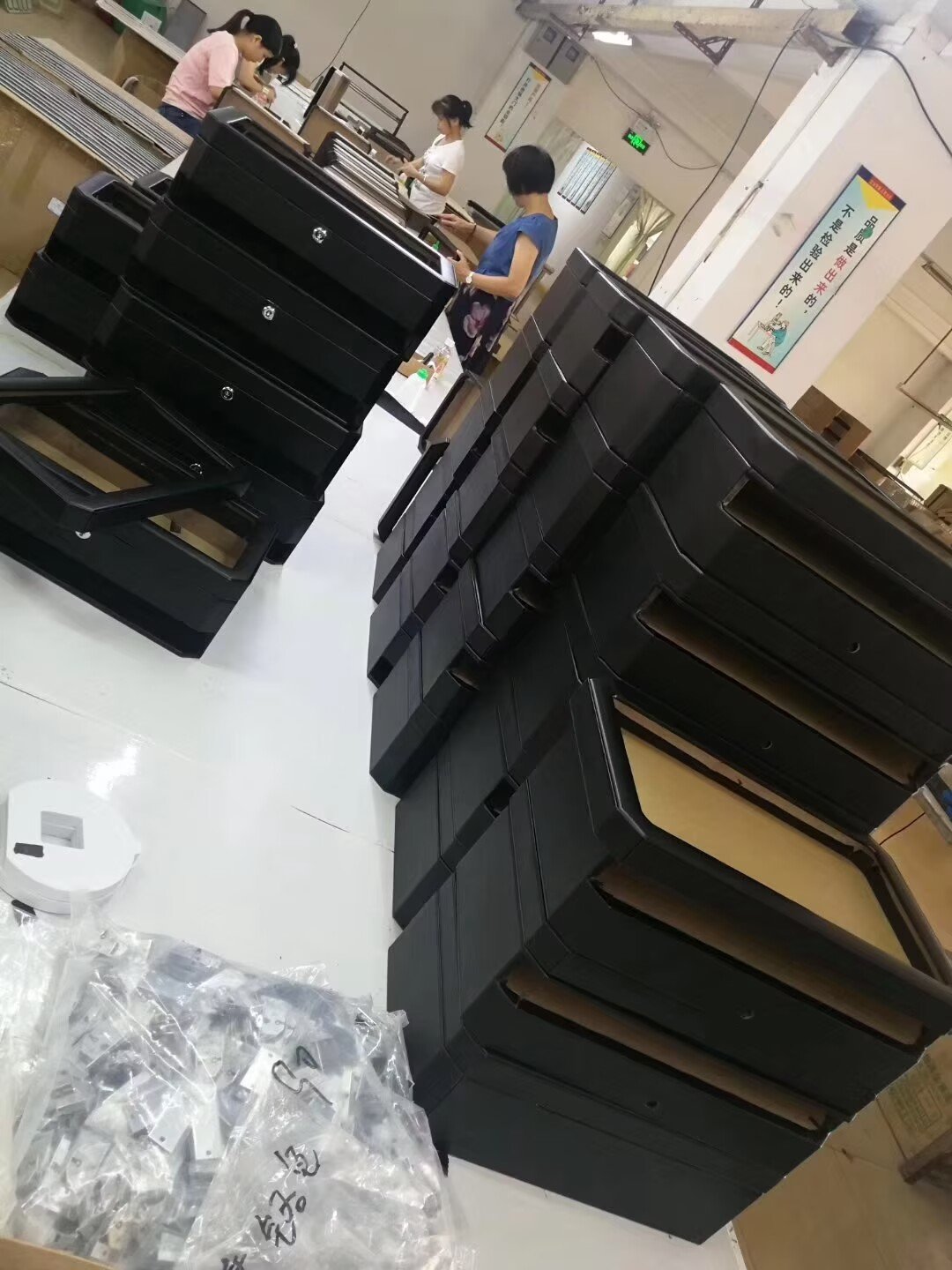
- Casting, stamping or CNC on the metal line; die making, leather covering and assembly on the box line.
- Plating and curing to the specified thickness.
- Inspection and, where the quote says so, packing.
- Working days for the factory. Not calendar days, and not the factory's holiday.
Outside the number
- Transit. Ocean, air or courier, plus the handling either side. Not production time under any freight term except where the buyer has arranged and paid for it.
- Customs clearance and duties. Your broker's time, your paperwork, your duty. See shipping, costs and customs.
- Holiday closures. The supplier's own shutdown sits outside their quoted working days whether or not the quote mentions it.
- Rework after approval. If a batch comes off spec, the corrected batch starts a new clock.
- Packaging artwork and printed cartons. Carton print is part of the order and waits for your artwork.
There is a sixth, which people forget more than they admit: the time before the order is confirmed. A lead time quoted in a proposal is not a lead time until the brief is complete and the quantities are fixed.
The two clocks
Every jewelry order has two clocks that run at different speeds and are usually quoted as one:
- The production clock, which starts at sample approval.
- The buyer's clock, which starts at the RFQ.
Everything between them — questions, artwork, internal approvals, payment terms — is not in the quote and is entirely yours. That gap is usually two to three weeks, and it is where most launch plans quietly fail.
Turning a number into a schedule
One question does most of the work: "break the lead time into three dates, in writing."
- Die ready — tells you whether your shape is past the irreversible point.
- Sample out — tells you whether you can plan the approval.
- Bulk finished — the only date the number was describing.
A supplier who answers with three named dates and updates them is describing a schedule. A supplier who answers with one number, however precise it sounds, is describing a product of the wish that nothing changes.
Where we stand
Our figure is about 15 days for a sample and about 45 days for bulk production, covering production only, with bead strands nearer 25 days. Freight, customs, holiday closures and rework sit outside it, and we will say so in writing at the point of quote rather than after you have planned around it. The three dates go on the order confirmation — minimums and lead times has the full wording.
If you want the parts you control to stop being the unknown, see how long an order takes from RFQ to shipment, and for what can be compressed and what cannot, what a rush order actually takes.
Does 45 days mean 45 working days or 45 calendar days?
Working days, and you should confirm it. The difference is two and a half weeks, and it is worth the sentence that settles it.
What if my order needs a test report as well?
Testing can run alongside production but adds calendar time where a report has to be reissued. Ask for the documentation scope with the quote rather than after the goods are made — see compliance and testing.
Is the lead time the same for a reorder?
A repeat of an approved design without a new die starts earlier, but plating, inspection and the same outside items still apply. Ask for the three dates per order rather than assuming.
Can a holiday be built into the lead time?
Honestly, yes, if the run is scheduled to finish either side of it deliberately. What is misleading is a lead time that ignores the holiday and then misses because of it.
Why do suppliers quote one number when they know it moves?
Because a range invites a negotiation and a single number wins the order. Asking for three dates is the correction — it makes the movement visible without making anyone look wrong.
Do your quotes include duties?
No. Duties and import taxes are the buyer's, and the quote is stated accordingly.
Next step
Ask for the three dates and the freight terms with your RFQ. We will both in writing for your order. Contact FSC CRAFT.
Related: Why bulk production takes 45 days · How long an order takes from RFQ to shipment · Wholesale shipping, customs and costs · Seasonal delivery deadlines
← Seasonal Delivery Deadlines for Jewelry Importers
Wholesale: MOQ, Lead Times and What to Ask →
Part of the wholesale page: What the 45-day figure leaves out.
Frequently Asked Questions
What does a lead time number not cover?
Freight, customs and your own approvals. It covers production from the approved sample. Those three gaps are where a first-time import loses weeks, and none of them belong to the factory.
Should the number run from the deposit or the sample?
From the approved sample. Everything else on the calendar is movable: a payment date can slip without moving production, while an unapproved sample means production has not begun.
What makes the number useful?
A stated start, a stated end and a status between them. Forty-five days alone is a marketing figure; forty-five days from sample approval with a photo report on day 15 and day 30 is a schedule.
What this means for your order
If you are still deciding, one thing decides this for you: what sits outside the figure, since production time is the only part of your wait that we control. Everything else on a quote page is presentation.
Where this falls short planning a launch around a lead-time number, because freight, customs and the holiday shutdown all sit after it.
What to send us Give us your launch date and we will show the calendar that has to be built backwards from it.
Where these facts come from
- Material safety & testing — test methods and limits we verify per order (ASTM B117 salt spray, EN 1811 / EN 12472 nickel release, PVD thickness by XRF)
FSC CRAFT keeps this list to pages that can actually be checked. Test reports and material specs ship per order on request rather than as published pass/fail numbers. If you quote this page, keep these links intact so the claim stays traceable.
Get a quote
Send the drawing, target material and volume. We reply within one business day with the MOQ, the sampling and bulk lead times for your piece, and the step each one belongs to.